The Ultimate Guide to Suspension and Handling: It’s All in the Geometry- Part One, The Roll Center
By Mike Kojima
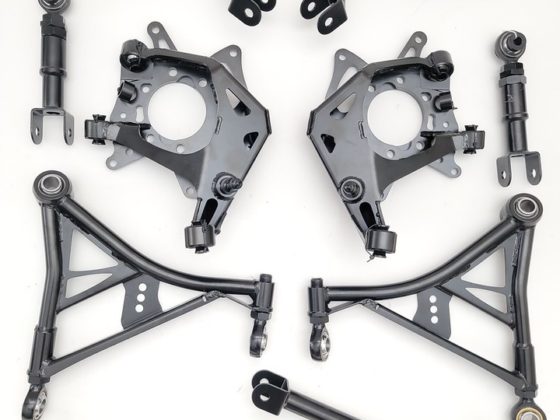
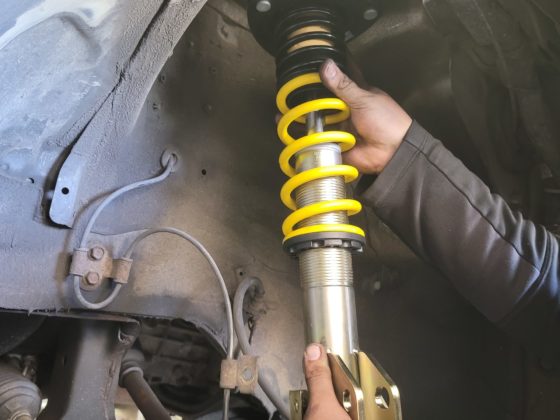
In the first parts of our suspension series we have covered basic suspension stuff. Now it’s time to bury ourselves in tuning suspension geometry. Geometry tuning is a step above the usual bolt on street parts. Making changes on this fundamental level is what racecar and suspension engineers do for a living, but we’ve found that with the more popular cars in this market there are parts available to help with these mods. Some of you are also advanced enough to experiment with this as well.
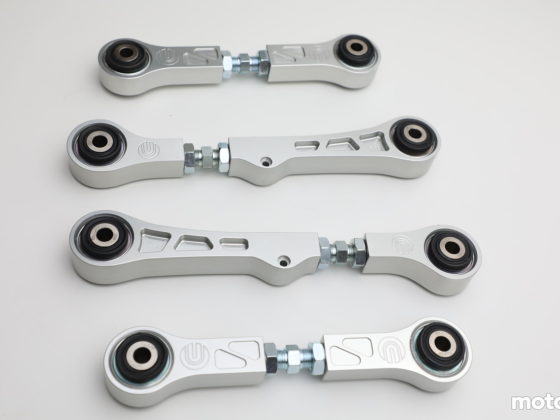
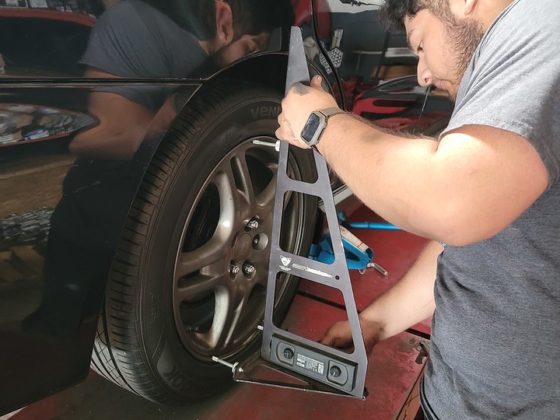
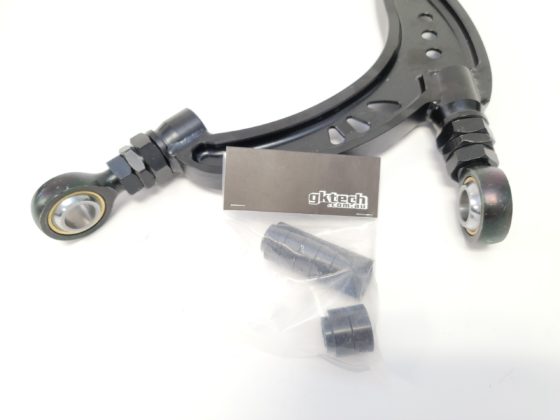
Alignment is one of the most important things in getting your drift car to handle correctly and a subject that is mangled quite a bit on internet forums. It is important to make your alignment adjustable. In the case of you having a popular car like a Nissan S chassis you can get adjustable front tension rods, rear toe, traction and camber links all off the shelf from companies like SPL Parts and Battle Version. If you have cars with MacPherson struts in the front, you can often get camber plates. Ground Control Suspension has camber plates for many different cars.
Understanding what caster does and how to use it is a powerful tool in the box of a suspension tuner. Since caster is not adjustable on nearly all FWD cars and usually not adjustable for many late model cars as well, we saved its discussion until now. Discussions of caster pertain to the front suspension only as caster comes into play as steering angle is induced.
Basic Drift Chassis Setup Part 2
In part one of our series we spoke about the importance of good suspension which is probably the first major step in setting up a car for drifting. Although the suspension is really important, perhaps just as important is a good limited slip differential.
Basic Drift Chassis Setup Part 1
If you have been following my series, “The Ultimate Guide to Suspension and Handling” on MotoIQ you have been getting a step by step education on the theory of suspension. Due to overwhelming demand, I have decided to take a step back from the theory side of things and give some simple and practical advice on how to set up a drift car due to the literally hundreds of requests I have gotten on this.
The Ultimate Guide to Suspension and Handling: Part Seven - Tuning your Toe
Previously in our series we were talking about general tips for you to follow when tuning your suspension. In our last installment we talked about adjusting your camber to gain more grip. Today we will talk about an easier and more basic adjustment that has a great influence in handling, adjusting your toe settings.
The Ultimate Guide to Suspension and Handling: Part Six, Adding Negative Camber
In the first 5 parts of this series you learned some basic steps to improving your car’s handling. The first four steps involved the use of basic performance suspension parts available for most cars, the parts that most people with an interest in handling obtain. Been there, done that? Then it's time to head for more advanced suspension tuning, involving the alignment, chassis stiffness and suspension geometry.
I am not Jesus so I don't have to forgive you if you mess things up when setting up your car. I am talking about sin, pure dumb unforgivable sin. No it's not the one that’s talked about in the New Testament that gives clergy fits to explain to lay people, its a big mistake, one that nearly all enthusiasts are unknowingly guilty of that is the most common mistake when modifying a car's suspension. It’s a sin which so thoroughly screws up handling that it gives engineers fits when trying to explain why this is so to automotive enthusiasts.
Now that you have reduced body motion and improved steering response, and tuned out under or oversteer to improve the chassis balance, our next step is to reduce weight transfer. Weight transfer is the movement of weight from the inside to the outside wheels of a car under cornering.
Now that you have reduced body motion and improved steering response, we can work on the next major area of improvement, improving chassis balance. The goal for most of us is to have a car with neutral balance. Neutral balance, where all four tires slide the same amount, is the fastest way around a corner most of the time.
MotoIQ Proudly Presents Our Partners: